
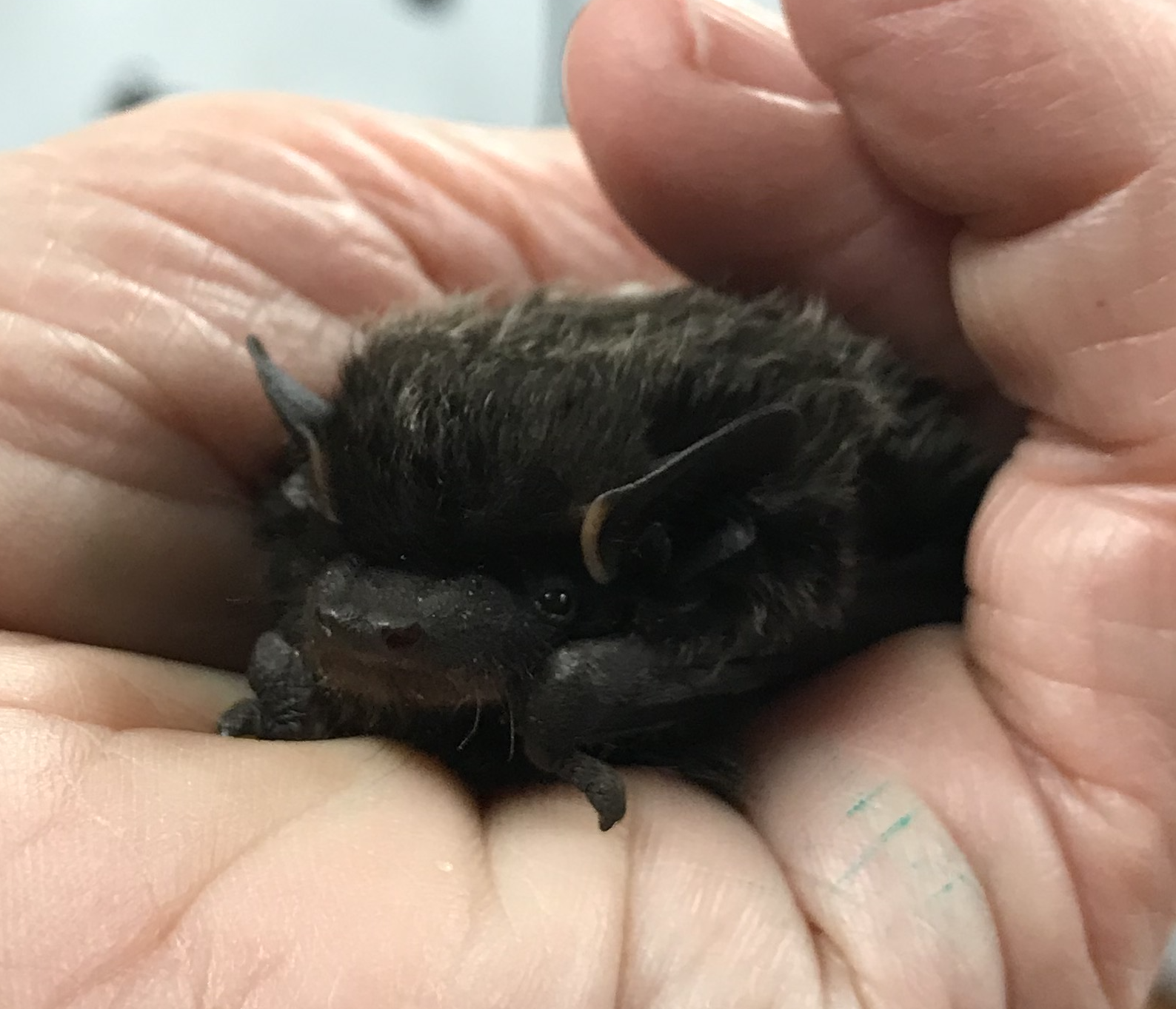
Two bats have tested positive for rabies in DuPage County so far in 2026, and 82 residents have been advised to receive preventive treatment after possible exposure to bats or other animals, the DuPage County Health Department announced Wednesday, July 29.
The department's news release warned Elmhurst households directly: never touch or try to catch a bat or wild animal found inside your home.
Of 48 bats submitted for testing in DuPage County this year, two carried the virus. Bats are the main source of rabies in Illinois, according to the DCHD, and an infected bat may look perfectly healthy.
Why finding a bat indoors counts as exposure
A bat inside your home may qualify as a rabies exposure even without a visible bite, the health department warned. That includes situations where someone was asleep in the room, children were present without adult supervision, or the bat was near a person unable to communicate clearly.
Rabies is almost always fatal without preventive treatment. The virus attacks the brain and nervous system, and treatment must begin immediately after potential exposure.
The disease is rare in Illinois. The last human case was reported in 2021, the state's first since 1954.
What to do if you find a bat
The DCHD advises residents who find a bat indoors to:
- Not kill or release it until after speaking with animal control and public health officials.
- Contain it safely by placing a bucket or can over the bat and closing the door to the room.
- Call DCHD at (630) 221-7553, or after hours at (630) 682-7400, to report possible exposure.
- Report animal bites to DuPage County Animal Services at (630) 407-2800 or [email protected].
If the bat is available for testing and results come back negative, preventive treatment is not needed.
Keeping bats out
The health department recommends residents seal openings in their homes where bats could enter, keep pets current on rabies vaccinations, and never attempt to rescue or keep wild animals. Rehabilitating bats in Illinois is illegal.
Raccoons and skunks can also carry and spread rabies, the DCHD noted, though bats remain the primary source of the virus statewide.