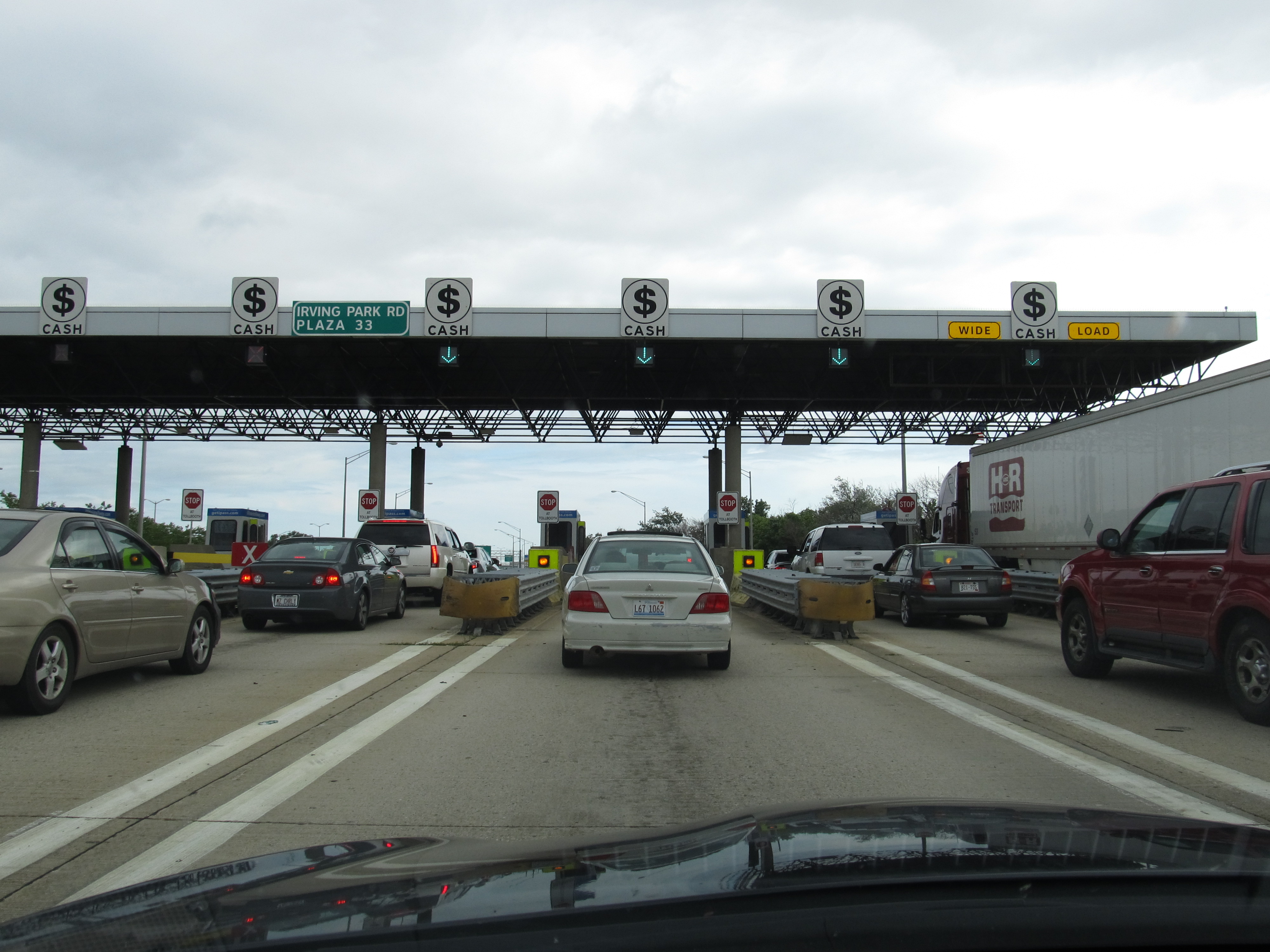
The Illinois Tollway proposed its first toll increase since 2012 on Monday, July 13, releasing a $26.5 billion capital plan that would raise I-PASS passenger rates about 45 cents per toll and commercial rates roughly 30 percent starting January 1, 2027.
The 15-year program, called "Driving Connections," covers 2027 through 2042. Elmhurst-area residents and business owners have until Friday, July 24, to submit comments or attend a public hearing.
What the plan funds near Elmhurst
The program allocates $1.87 billion to the Central Tri-State Tollway (I-294), including roadway and bridge reconstruction from Balmoral Avenue to Wolf Road and a full interchange at Irving Park Road. That stretch runs adjacent to Elmhurst, where the $800 million I-290/I-88 interchange reconstruction is already underway and scheduled for completion by the end of 2027.
More than 300,000 vehicles pass through that interchange daily, according to the Tollway's project page for the I-290/I-88 reconstruction. The agency has published an Elmhurst Noisewall Exhibit as part of the project, confirming the city sits within the construction zone.
Tollway Executive Director Cassaundra Rouse called the North Avenue and Lake Street corridor "one of the most important commercial and industrial corridors along the Tri-State Tollway" during the 2025 opening of a new I-294 ramp to County Line Road, a project completed in partnership with Elmhurst. She noted that I-290 interchange congestion had historically "affected freight movement, and local businesses."
How to weigh in
The nearest public hearing to Elmhurst takes place Wednesday, July 15, from 11 a.m. to 1 p.m. at the College of DuPage Student Resource Center, 425 Fawell Blvd., Glen Ellyn. Residents may attend any hearing location or participate virtually.
Written comments and the full hearing schedule are available at www.illinoistollway.com/drivingconnections. The comment deadline is Friday, July 24.
Rate details
Under the proposed rates, the average I-PASS passenger toll would rise from $0.07 per mile to $0.11 per mile. The Tollway says that figure remains below the national average of $0.16 per mile. Commercial vehicle I-PASS rates would increase approximately 30 percent. Beginning in 2029, all toll rates would adjust every other year based on the Consumer Price Index.
The Tollway is a user-fee system that receives no state or federal tax dollars for maintenance and operations. To justify the increase, the agency cites INRIX data showing the average Chicago-area driver spends about 100 hours per year in traffic at a cost of roughly $1,800 in lost time, and industry studies estimating poor road conditions cost drivers approximately $725 per year in repairs and depreciation. Those figures come from the Associated General Contractors of America and the American Society of Civil Engineers, both groups that advocate for infrastructure spending.
The comment window closes Friday, July 24.