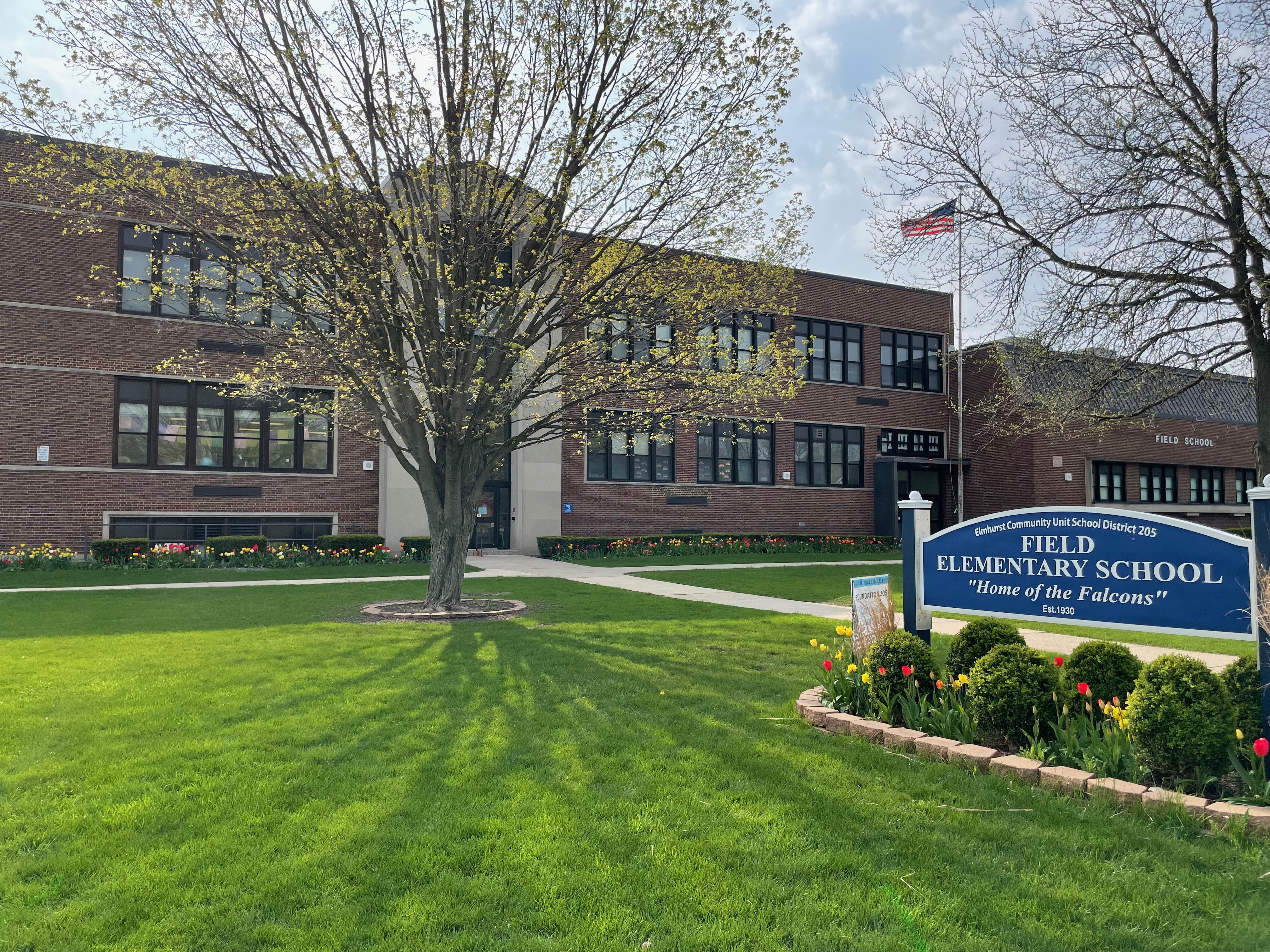
Elmhurst families heading back to school Thursday, August 13, won't face program cuts or fee hikes for the 2026-27 school year. District 205's $175 million budget is in the black for the first time in at least five years, with a projected $358,013 operating surplus.
But the margin is razor-thin, and board members made clear at the Wednesday, July 29, meeting that the district is spending its way toward trouble.
The budget picture
Assistant Superintendent of Finance Joe Blomquist presented the FY2027 Tentative Budget to the board on July 29, projecting $175.4 million in revenue against $175.1 million in expenses. The surplus follows an even stronger FY2026, which ended with a $1,032,078 operating surplus that Blomquist called "a healthy surplus."
Board President Athena Arvanitis said the result was a milestone, according to Patch. "To see our daily operations budget come right at budget, we haven't seen that in the five years I've been on this board," Arvanitis said at the meeting.
The math that worries the board
The good news comes with a warning label. District spending is rising 5.5% year over year while revenue is growing just 1.7%, according to the tentative budget document. Property taxes, which account for 86% of D205's income, are capped at the 2.7% Consumer Price Index rate, yielding $149.5 million.
Health insurance costs are budgeted to increase 8%, pushing total benefits spending up 8.9% to $22.9 million. Salaries, which make up 62% of expenditures, are rising 3.3% under collective bargaining agreements. Federal revenue is projected to drop 22.6%, and state revenue is expected to fall 7.2%.
The district's year-end fund balance is projected to decline from 33% of expenditures in FY2026 to 29% in FY2027, representing about 3.5 months of operating expenses.
Board member Brian Belanger put it bluntly: "It's not sustainable to have a revenue increase of 2 percent and a spending increase of 5 percent."
Blomquist acknowledged the gap, telling the board that expenditures are outpacing revenues and the district has to find efficiencies.
Where the savings are coming from
The tentative budget identifies several cost-cutting moves:
- Shifting technology purchases away from capital leases, saving an estimated $75,000 per year in interest
- Multi-year curriculum material purchases projected to save 10%
- Enhanced asset replacement plans expected to reduce repair and maintenance costs by up to 20%
- A reverse energy auction conducted in March 2026 that locked in a four-year electricity rate of 5 cents per kWh, saving an estimated $120,000 annually
The district's cash reserves also improved. The May 2026 low-cash balance rose to $23.4 million, up from $16 million in May 2025, according to the budget document.
What happens next
The tentative budget is available for public viewing from Saturday, August 1, through Tuesday, September 22. State revenue figures and building-level expenditures may still shift before adoption. The Finance and Operations Committee meets Wednesday, September 9, and the full board is scheduled to adopt the final FY2027 budget Tuesday, September 22.