Elmhurst residents are pressing the City Council to drop a $250,000-a-year mosquito spraying program they call ineffective and wasteful.
Several residents spoke at the council's budget meeting on Monday, Nov. 9, arguing the city should stop relying on regular chemical spraying, Patch first reported. They urged a shift toward larval control and education instead.
"I was shocked to find a year ago that the city still sprayed for mosquitoes, assuming this outdated process had been stopped everywhere years ago," resident Dana Magnuson said at the meeting.
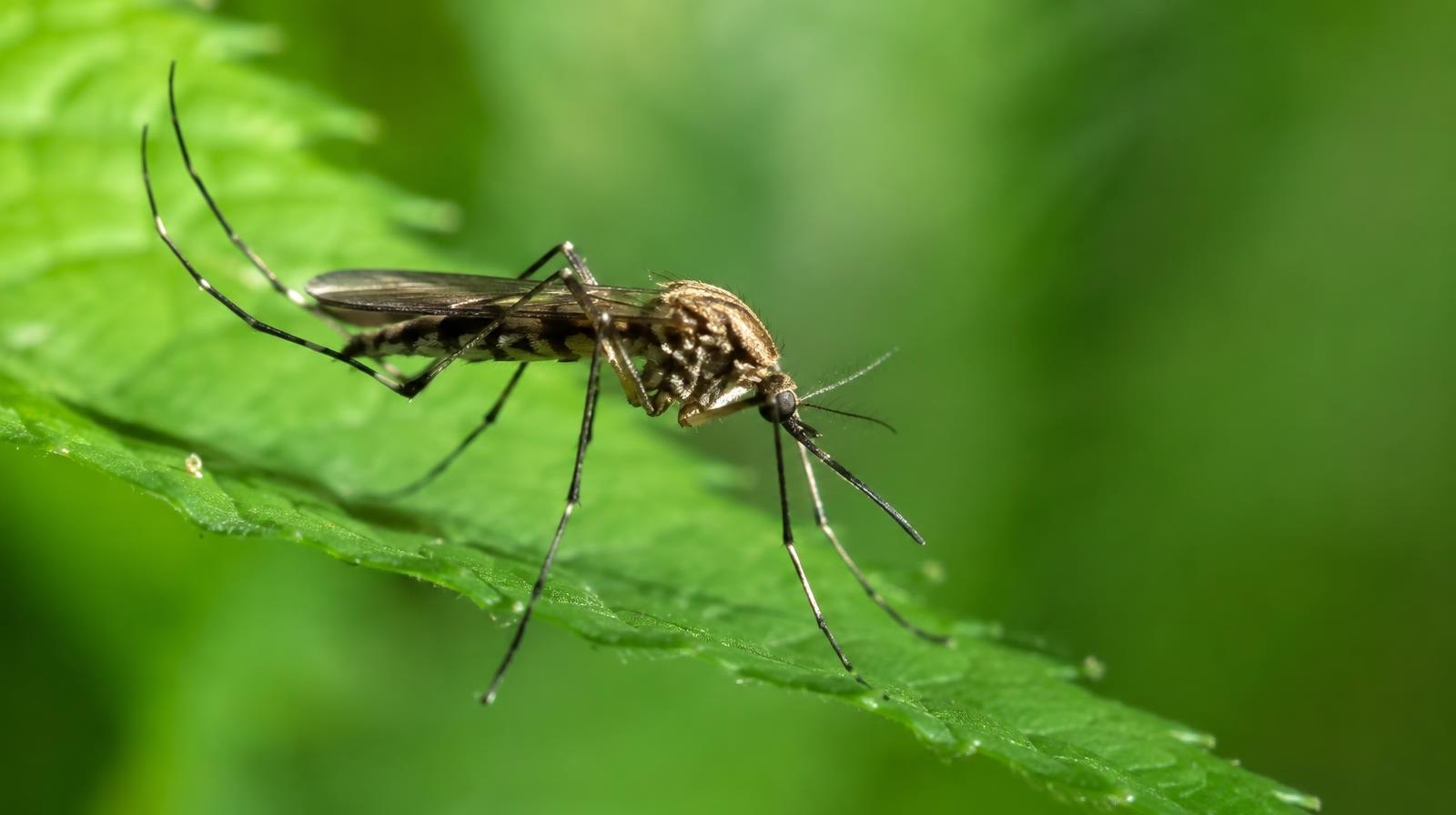
Magnuson said the sprayed chemical lands on a small portion of mosquitoes in the area. Mosquitoes fly an average of three to seven miles, she said, so more just fly in.
She also said the chemical kills insects and bees, which are important pollinators.
Elmhurst vs. neighbors
Residents said Elmhurst is one of the few towns in the area that still conducts regular spraying. Magnuson pointed to Clarendon Hills and Lombard as communities that take a different approach.
The Clarendon Blackhawk Mosquito Abatement District's website confirms that distinction. The district, established in 1968, states it does not conduct routine adult mosquito control. It calls adult control "the least effective approach to mosquito control with only localized, temporary benefits." The district reserves adult spraying as a contingency measure to break a viral transmission cycle, triggered by factors such as confirmed West Nile virus cases.
Elmhurst's contractor is Clarke. According to the city's mosquito abatement page, the program runs from May 1 through Oct. 15 and includes surveillance, larval control and targeted adult mosquito treatments. The city says the larvicides and adulticides used are EPA-registered products approved for residential use.
The city also says Elmhurst participates in Clarke's EarthRight program, which uses products reviewed against USDA organic standards. The city says those practices aim to help manage mosquito populations while minimizing environmental impacts.
No response from council
The council did not respond. That followed its policy on public comments, Patch reported.
The $250,000 figure cited by residents has not been independently confirmed against city budget documents. The city's mosquito abatement page does not list a contract amount.
What happens next with the spraying program depends on whether aldermen take up the issue during ongoing budget deliberations.